In the world of translation, there are three main ways to move text from one language into another. The first is by way of computer translation software (machine translation), the second in computer-assisted translation (where the computer translates the document and a human edits the translation), and the third is good, old-fashioned human translation.
Each translation method has its advantages and disadvantages. Most of these are are related to time, expense, and accuracy. While there is simply no comparison to human translation when it comes to accuracy, the computer models are making great strides and, in many simpler languages, can come close to human translation in basic, highly repetitive texts. These advances are directly related to advances in translation memory and termbases.
A Translation Memory and Termbase Primer
A termbase is basically just like it sounds: a list of terms. You might equate it to a bilingual glossary. Whenever a word is translated from one language to another, it gets added to the termbase. Blue is azule, green is verde, red is rojo, and so forth.
Termbases are built not only from one language to another but from language to language to language. This is why you can Google “love in 50 languages” or “hello in 100 languages” and receive translations for these words instantaneously. Granted, these translations do not explain the cultural nuances associated with them, the etiquette necessary to use them properly, or the contextual elements of the translation. After all, they are just words from a termbase.
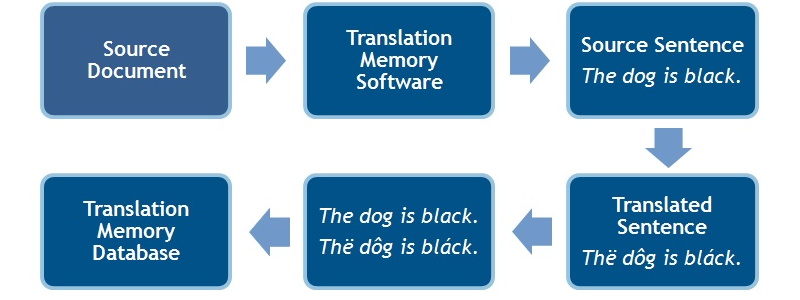
Translation memory goes a step further. This is an element of a more advanced translation system that identifies word use, syntax, grammar, and so forth. A termbase could identify the word heart, but if you needed to translate “pulling the strings of my heart” you would not want a termbase response. Instead, you would want the computer to reference the last time this phrase was and translated into the target language and do the same thing again. This is using translation memory.
English is rife with homonyms and homophones, metaphors, and similes. These are often quite difficult to translate because of the many ways in which they are used. Thanks to complex context and syntax models, advances are being made in translation memory each day, and, when used consistently, even these difficult language patterns can be translated accurately by computer.
Benefits of Translation Memory
- Translation memory is priceless during the translation of technical documents with repetitive or specialized terminology. The computer will ensure the terms are translated consistently and phrased appropriately.
- Large documents requiring several translators have the benefit of consistent and accurate phrasings regardless of who the translator might be.
- When there are multiple documents that require translation over time, an effective translation memory saves time since translators do not need to re-translate phrases or boilerplate.
Limitations of Translation Memory
- Translation memory is effective when the meaning of phrases and context is consistent, however, when the message is different, translation memory cannot make accurate contextual judgements.
- Internationalization is well-served by the process, however, localization requires new sets of translation memory databases for each new language.
- When documents or projects are translated by more than one service or agency, both termbases and the translation memory of one organization may be different from that of another unless they both subscribe to the same master database. This is unlikely if freelancers are involved. This negates one of the major strengths of translation memory.
- If a section of text is initially translated incorrectly, the text will be translated incorrectly until the error is caught. Translators may also defer to the translation memory phrases instead of ensuring it is checked against the context of the document.
There is simply no substitute for human translation, however, great advances are being made in computer translation. These advances, which include advances in termbases and translation memory, can significantly reduce the time and expense it takes to translate documents if the translation service is skilled at using them. Without proper human oversight, however, you might as well type your text into Google translate and hope for the best.