
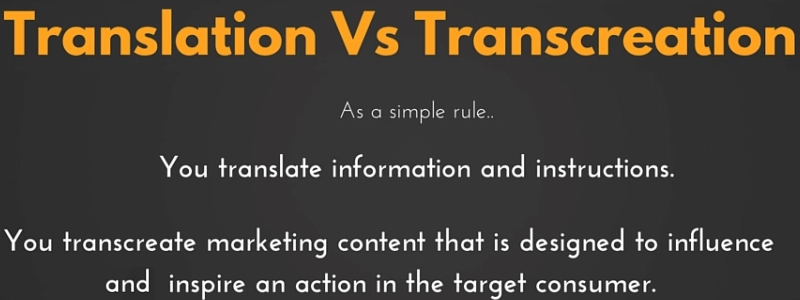
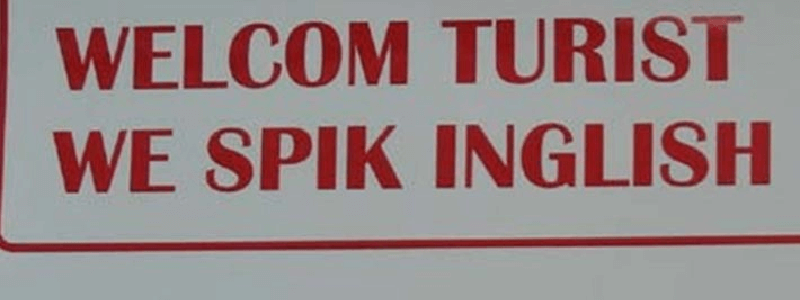
Back in 2009, HSBC's tagline "Assume Nothing" got mistranslated into "Do Nothing" across several markets, and fixing the mess reportedly cost the bank around $10...

As soon as you have decided that you need a translation, you need to decide on the type of service you need and schedule the...

When cultures clash, the repercussions can be serious. Part of the globalization and localization process for your documents needs to include the testing and editing...

Like any profession or field, translation has a vocabulary all of its own. In addition to the hundreds of terms that are specific to the...
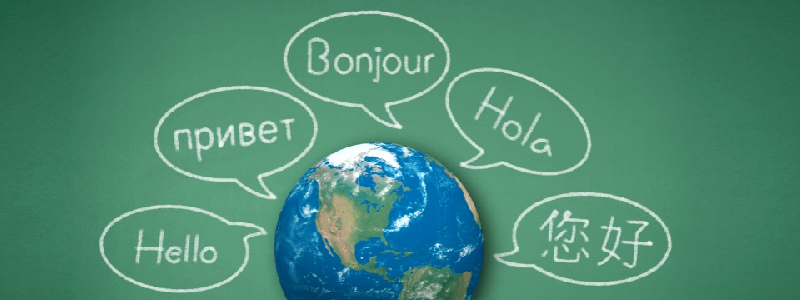
Whether you have an 800-page book, an academic dissertation, a series of product manuals, legal contracts, or just need a birth certificate translated into another...

You likely won't be addressing many letters to a Roman Emperor, but a few centuries ago the old quill would have drained half an ink...

In English, there are just two forms of plurality, singular and plural. Children in English-based schools learn to form plurals from the earliest of years,...
The benefits of a global economy coupled with an ever-expanding number of translation language pairs have created exciting opportunities for those ready and able to...

Translators have access to some of the world's most heavily guarded secrets. Think about it...businesses go through millions of dollars in security to protect proprietary...
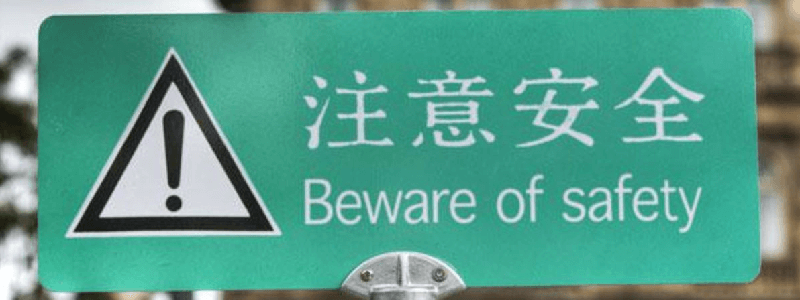
Science and math have an advantage when it comes to translation. Most of the signs, symbols, and lexemes associated with these fields are relatively universal....

When translating documents, the quality of the source document is directly related to the time it takes to translate it. Source document quality is also...
In January 2014, the Channel 7 News from Bangkok Broadcasting and Television ran a story regarding Laos. During the segment, they posted several translations of...
No articles in this category yet. Check back soon.