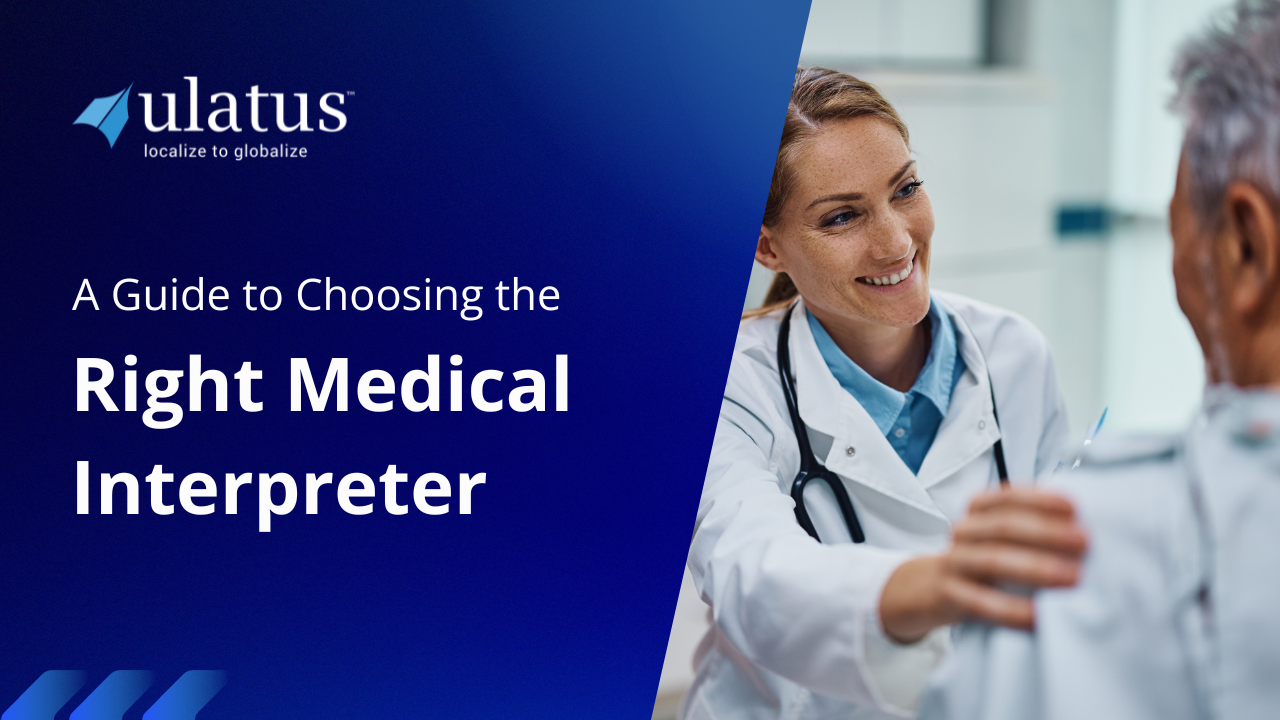
In a globalized healthcare landscape where diverse patient populations seek medical attention, effective communication is more critical than ever. The role of a medical interpreter is crucial in bridging language gaps and ensuring accurate and compassionate care. In this guide, we’ll explore the key considerations when selecting a qualified medical interpreter, shedding light on the growing demand for this service and scenarios where a medical interpreter is necessary.
The Growing Demand for Medical Interpreters
With healthcare services expanding globally, the demand for accurate and culturally sensitive medical interpretation is at an all-time high. The influx of patients from diverse linguistic backgrounds necessitates effective communication to provide quality care. Medical interpreters play a pivotal role in ensuring that information is accurately conveyed between patients and healthcare professionals, irrespective of language barriers.
Examples Where Certified Medical Interpretation is Necessary
- Critical Diagnoses and Treatment Plans: In scenarios involving critical medical diagnoses or discussions about treatment plans, the precision of communication is paramount. A certified medical interpreter ensures the accurate transmission of complex information, minimizing the risk of miscommunication that could lead to serious consequences.
- Emergency Medical Situations: In emergency medical situations where quick and accurate communication is essential, a certified medical interpreter becomes a lifeline. From conveying symptoms to understanding medical history, the interpreter plays a crucial role in facilitating swift and effective communication between healthcare providers and patients.
- Surgical Procedures and Informed Consent: Surgical procedures and obtaining informed consent require clear communication about potential risks, benefits, and post-operative care. A certified medical interpreter ensures that patients fully comprehend the details, fostering informed decision-making and mitigating any language-related misunderstandings.
- Mental Health Consultations: In mental health consultations, where sensitive topics are discussed, the need for precise communication is heightened. A certified medical interpreter can help convey emotions, concerns, and treatment plans accurately, creating a supportive environment for patients seeking mental health services.
Certified medical interpretation is necessary in these examples to navigate the intricacies of medical language, ensure cultural sensitivity, and safeguard the well-being of patients in diverse healthcare scenarios.
Qualities to Look for in a Medical Interpreter
- Language Proficiency: The primary responsibility of a medical interpreter is to ensure precise communication. Proficiency in both source and target languages is non-negotiable to avoid miscommunication and ensure accurate information exchange.
- Cultural Sensitivity: Medical interpreters must be culturally sensitive to convey the nuances of medical information appropriately. Understanding cultural differences ensures that the interpreted content is not only accurate but also respectful of patients’ beliefs and values.
- Interpreting Patient-Provider Interactions: Beyond language, interpreters may facilitate communication during consultations. This involves interpreting non-verbal cues, and ensuring patients fully comprehend their diagnosis, treatment options, and relevant information.
- Confidentiality: Handling sensitive medical information requires strict confidentiality adherence. Medical interpreters must comply with privacy regulations, safeguarding patient information and upholding the integrity of the healthcare system.
- Adaptation to Evolving Technology: As technology evolves, interpreters need to stay technologically savvy. Familiarity with translation tools and software is essential for efficient and accurate medical interpretation.
- Important Certifications: In the United States, specific certifications enhance the credibility of medical interpreters:
- Certification Commission for Healthcare Interpreters (CCHI): CCHI offers certification for healthcare interpreters, validating their competence in medical interpretation.
- National Board of Certification for Medical Interpreters (NBCMI): NBCMI provides certification for medical interpreters, ensuring a standardized level of proficiency.
Key Takeaways
In conclusion, choosing the right medical interpreter is crucial for effective communication in healthcare settings. Partnering with a professional translation company will help you finalize a medical interpreter with ease. By prioritizing education, certifications, and technological adaptability, you ensure a seamless communication experience in diverse healthcare scenarios and ensure a positive impact on patient care.